


Jérémie Fauquet Turns Concrete, Stone and Metal Into Sound on Factory 7
Eight Months on, the Montbrison Composer’s Industrial Ambient Single Still Rewards Slow Listening
Most ambient music asks you to disappear into it. factory 7, the drone and electronic single Jérémie Fauquet released on 28 December 2025, asks for something narrower: listen to the materials. The French composer built the piece around concrete, stone and metal. Eight months on, it still finds listeners who want a room to think in rather than a tune to carry around.
Jérémie Fauquet holds a slot on the playlist below, and his artist profile collects what this network has published about him. Factory 7 reached this desk through PopHits.Co Music Charts, which verifies independent artists and places their releases across its network of music news desks. Put it on low, then read the rest.

Jérémie Fauquet Makes Concrete, Stone and Metal Audible
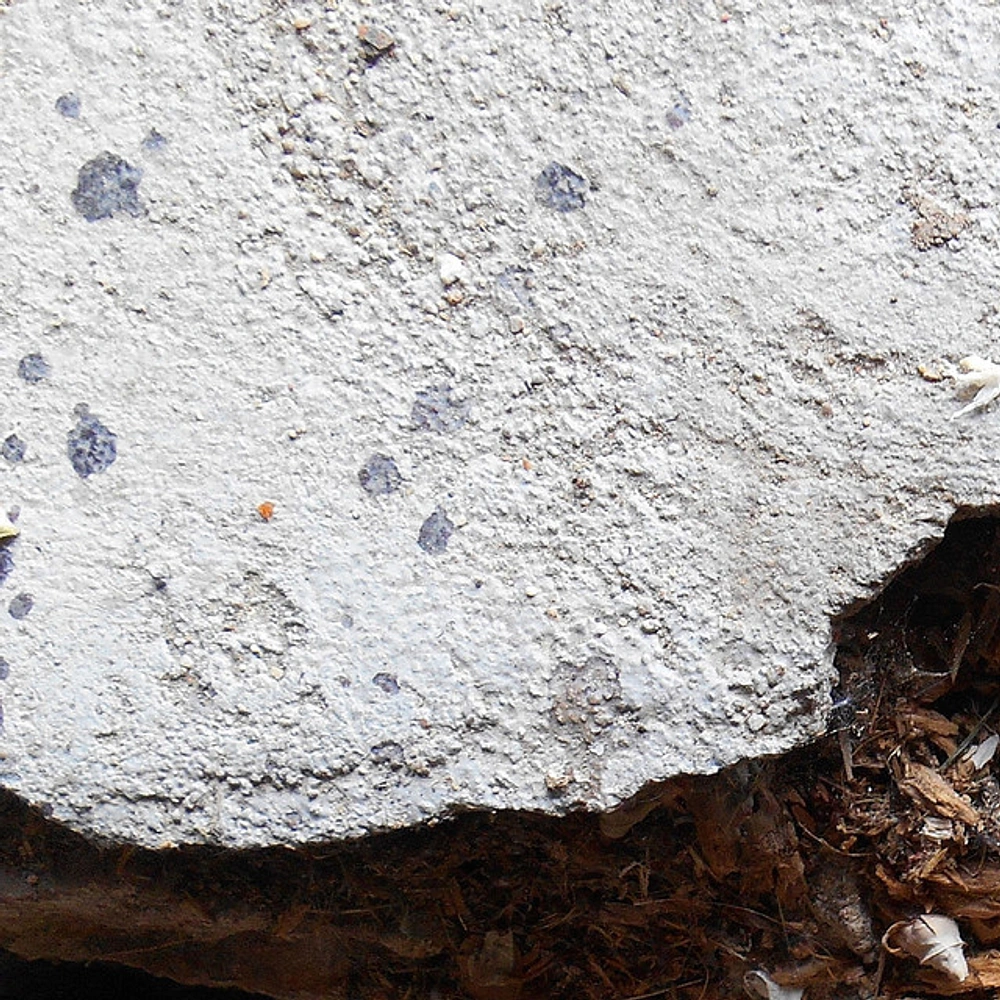
Fauquet is unusually direct about what he was after. “When creating ‘factory 7,’ my intention was to make materials audible, primarily concrete, stone, and metal,” he said. That one sentence tells you more than any genre tag can. The low end behaves like mass rather than bass. Its mid-range carries the dull ring of metal struck in a large room. Up top, the thinner frequencies work like dust in a shaft of light.
Because of that, the piece resists the usual ambient shorthand. No pad holds a chord underneath everything. No soft synth wash smooths the edges into something pleasant. What moves instead is intensity, timbre, and the number of layers stacked at any moment. Turn it up and the grain becomes physical. Keep it low and the same recording flattens into a hum you stop noticing. That, arguably, is the point.
The industrial framing is worth taking literally. This is not a factory used as a metaphor for working life. Rather, it is a factory as an acoustic space. Fauquet builds its reverberation and machine noise from drone technique instead of straight field recording.

A Film Score That Left the Screen and Became a Standalone Drone Release
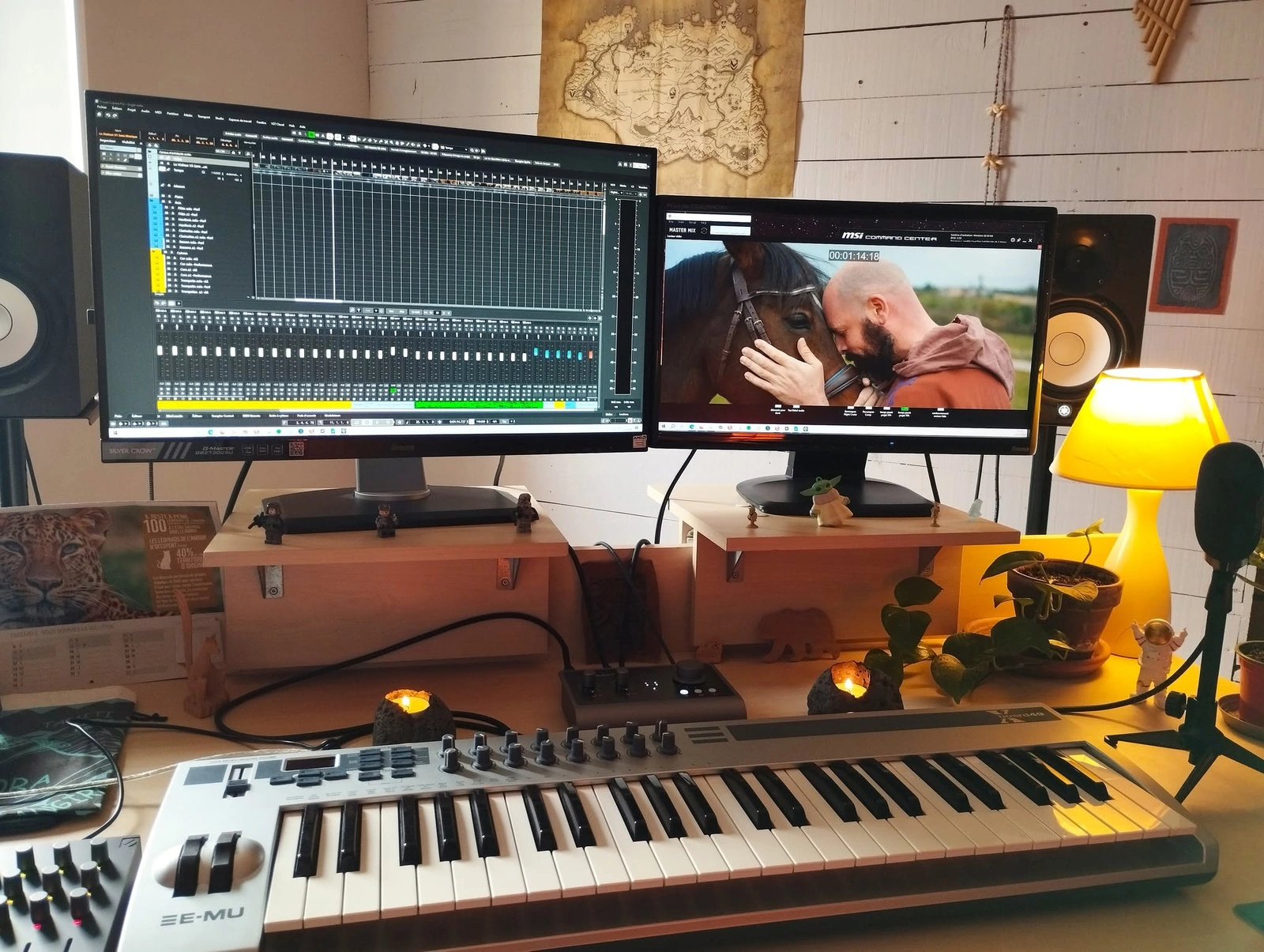
The track began life as a film score. Fauquet has said so plainly, and the shape of factory 7 makes a different kind of sense once you know it. Writing to picture teaches a composer to build tension without resolving it. It also teaches you to hold a mood across minutes rather than bars, and to leave the middle of the range open.
That origin explains how the piece evolves. It never climbs to a peak and then recedes. Instead it keeps shifting its balance, so a late passage reuses the opening material at a completely different weight. Details the first pass buries come forward on the second and third.
Releasing it with no picture attached is a small act of confidence. The music now has to hold attention on its own terms. Fauquet has earned that confidence. He trained in film music composition at the Conservatoire de Valence, and he still writes to commission for film, television, video games and museum projects.

Ambient and Drone Reference Points, From Brian Eno to Tim Hecker
Three reference points help place factory 7 without flattening it.
Brian Eno established the idea that music could be as ignorable as it is interesting. On Ambient 4: On Land he built pieces out of noises that behave like weather and terrain rather than notes. Fauquet works the same seam. The difference is that he poured and welded his terrain rather than growing it.
Tim Hecker is the closer comparison for the mid-range. On records such as Ravedeath, 1972 he runs recognisable acoustic sources through decay and saturation. The source stops reading as an instrument and starts reading as pressure. Something similar happens to the metallic strikes here, though Fauquet keeps his edges cleaner.
Stars Of The Lid are the outlier of the three, and useful precisely for that. Their long-form pieces move so slowly that patience becomes part of the listening contract. factory 7 is harder and colder than anything in that catalogue, yet it makes the same request of you.
Elsewhere, the track has already found sympathetic ears. The Slow Music Movement picked it up on release, calling it “the perfect time to slip on your headphones and better explore the sonic details of this gently restless soundscape”.
Fauquet is explicit about the purpose. The piece should sit alongside real activity: relaxation, reflection, reading, work, and active meditation. That is a broader remit than most drone releases accept. Moreover, it lands because the music never demands a decision. Nothing arrives suddenly. Nothing drops out to leave a hole.
TopMusic.News curator team: “The detail that keeps factory 7 on our list is the restraint in the low end. Most industrial ambient buries everything under sub-bass. Fauquet leaves the bottom half of the mix open, and that is exactly why the metal still reads as metal rather than as noise.”
Where to Hear Factory 7 and Follow Jérémie Fauquet Across Streaming Platforms
factory 7 is out now across the major services, inside a catalogue that stretches back several years. You can stream it on Spotify, Apple Music, Deezer, Amazon Music, SoundCloud and Bandcamp. Alternatively, his Linktree gathers every option in one place.
For new work, and for a closer look at how these pieces get built, follow his YouTube channel. You can also find Jérémie Fauquet on Instagram and on Facebook.











About Author