
How Danny Barwick Built Seen From Unanswered Messages, Live Piano and a Torso S4
Juliette Duguay Reads Seven Strangers’ Direct Messages Word for Word on a Montréal-Made IDM Album
Every word Juliette Duguay speaks on Seen, the album she made with Danny Barwick, began as a direct message that never got a reply. Barwick recorded the Québécois writer reading those messages into a Torso S4. He then looped her voice against long-form live piano improvisations. The result is a seven-track IDM and avant-garde electronic album, out since 23 January 2026.
Danny Barwick and Juliette Duguay’s opening track, I’ll Be Honest, sits in the playlist below with other avant-garde electronic picks, and every article on Barwick is collected on the Danny Barwick profile. Seen came to this desk through PopHits.Co Music Charts, which verifies independent artists and places their releases across its network of music news desks. Press play on the album, then read on for how Barwick built it.

On Seen, Danny Barwick Turns an Instagram Read Receipt Into the Hook of an IDM Album
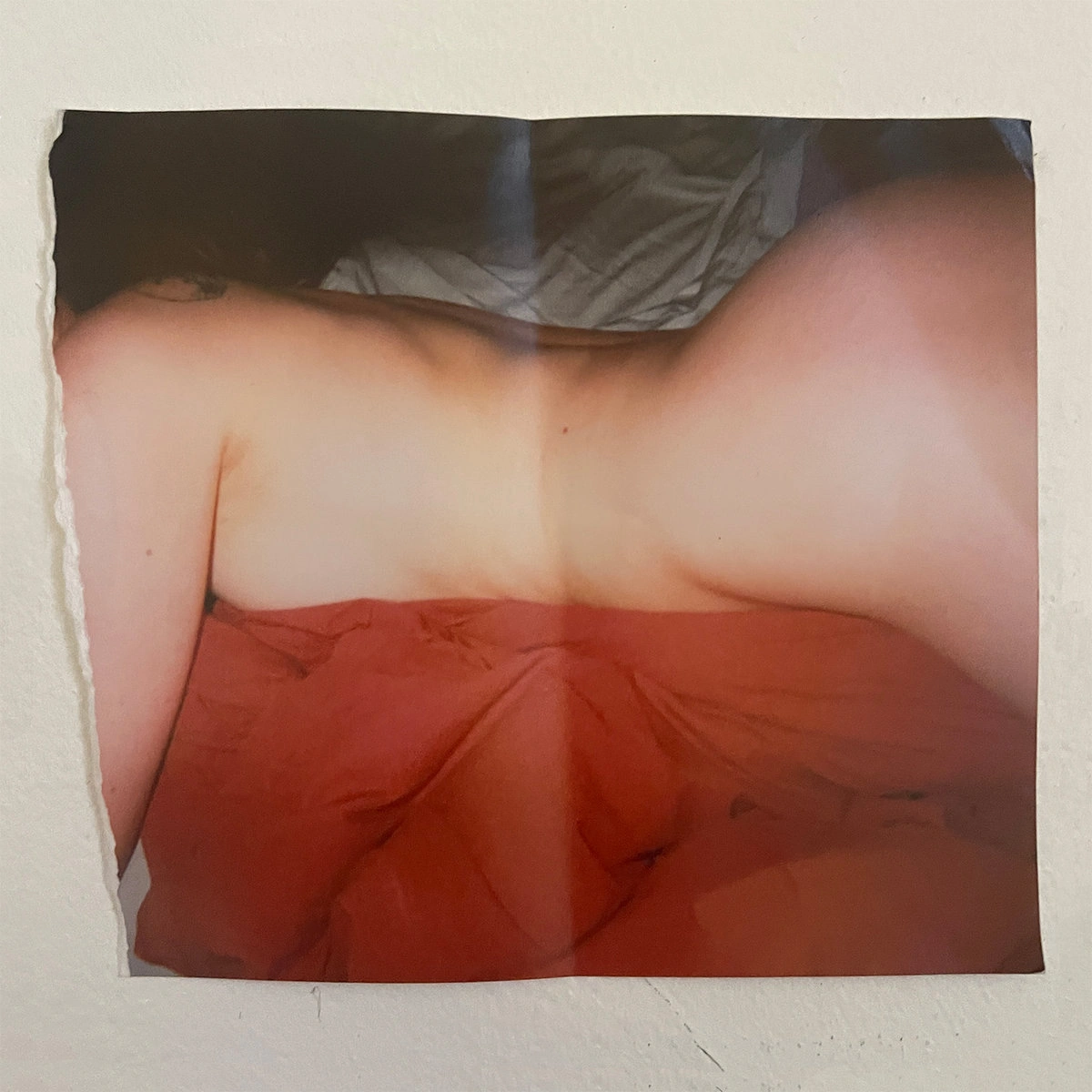
The hook of Seen is a single word of interface text. On Instagram, “Seen” appears under a message once the recipient opens it. On this record, it is the only answer the senders ever get. That small grey label carries the whole premise, so Barwick builds the album around the silence that follows it.
The story starts in Montréal, where Barwick spent two years and met Duguay. For six months she made adult content and promoted it through an anonymous Instagram account of faceless nude images. As a result, she received direct messages that ranged from pleading to aggressive and from tender to absurd. Struck by their tone, Duguay began arranging them into poems, keeping every message word for word.
Barwick describes the finished album as a portrait of male desire, digital loneliness, fantasy, delusion and hope. That list matters for the listener, because no single mood takes over. For example, a message can open politely and turn demanding two lines later. The music has to hold both states without taking a side.

Juliette Duguay Arranged Seven Strangers’ Messages Into Poems Without Changing a Single Word
In other words, strangers wrote the lyric sheet on Seen. The Bandcamp credits list Duguay for lyrics and spoken word, and Spotify names both artists on all seven tracks. Her craft lies in selection and order. She chose which messages to keep, where each line breaks, and how one sender’s words sit beside the next. Together, the poems form seven voices: seven different men reaching out to someone who never writes back.
Several track titles read like the opening line of a message, such as Hello Dear, I’ll Be Honest, If You’d Be Willing and Can You Come to Me. Another, I’m Not a Kid, sounds defensive before anyone has objected. Because Duguay reads the words herself, the woman the senders wrote to now delivers their lines. That reversal is the sharpest piece of writing on the album, and yet nobody changed a single word to achieve it.

Torso S4 Loops, Live Piano and Julien Wilson’s Reeds Shape the Seven-Track Structure of Seen
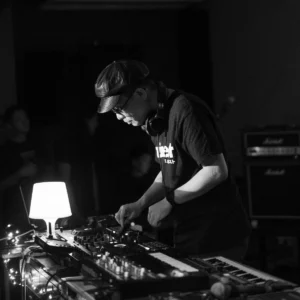
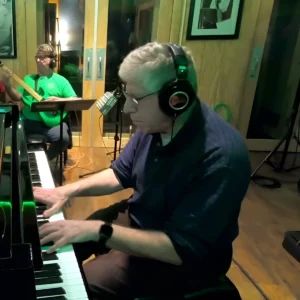
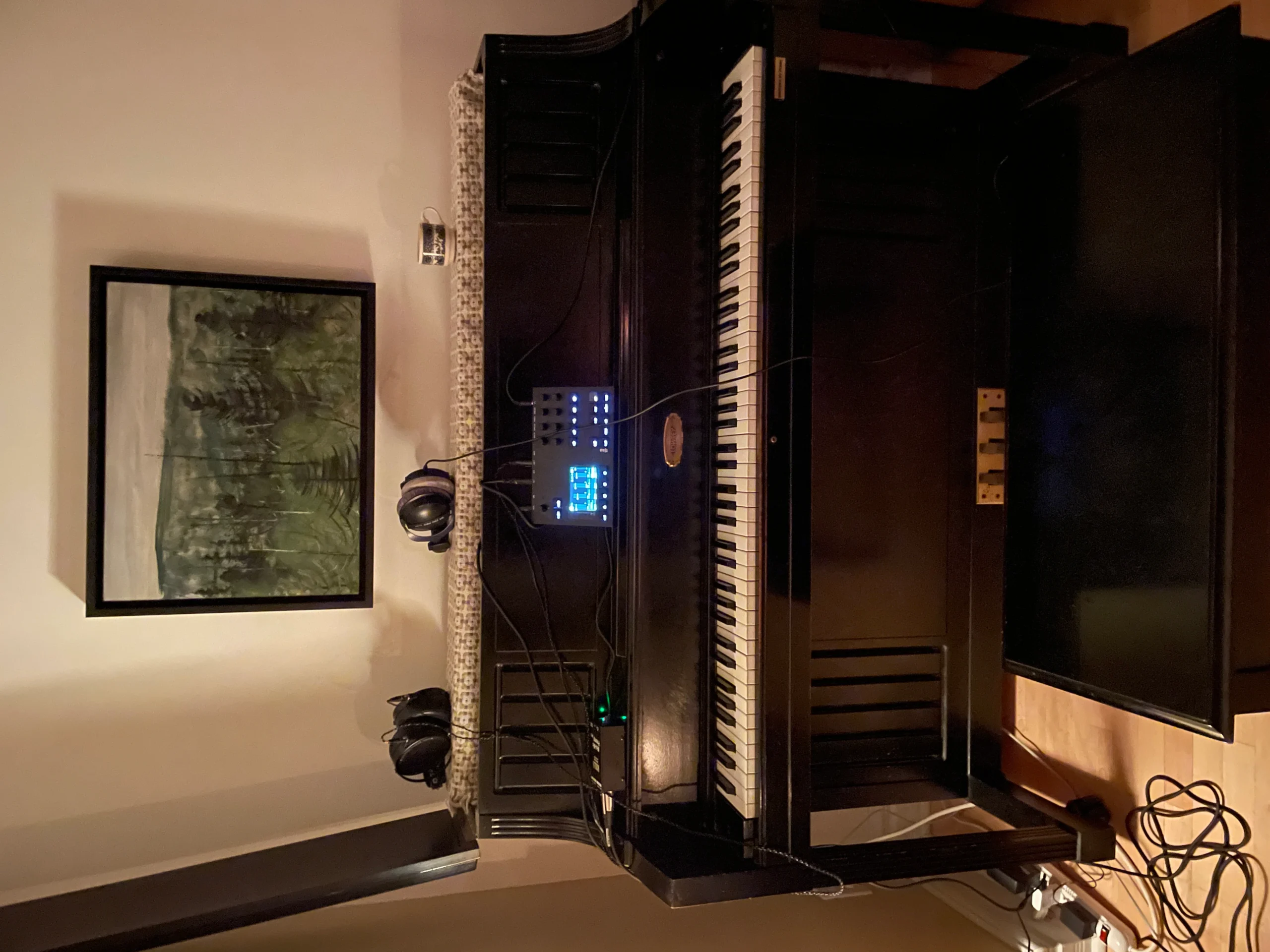
Barwick made the recording in Duguay’s home in the depths of a Montréal winter. He captured her readings into the Torso S4, a sound-manipulation instrument from Copenhagen. Then he looped them alongside long-form piano improvisations played live. Consequently, the arrangement grows from repetition rather than from verse and chorus. The loops dissolve as they repeat, and Barwick collages the voices instead of presenting one clean narration. Julien Wilson adds clarinet and saxophone, Barwick handled production and the mix, and Gareth Thomson mastered the record. The Belgian label Off Records released it.
The build is economical. Seven tracks run to just under half an hour, matching the seven voices Duguay assembled. Rosary is the longest at a little under five minutes, while If You’d Be Willing passes in under three. The short running time suits the material. After all, these are messages, and messages stay brief even when the feeling behind them does not.
A Jazz Drummer’s Route From Sideman Work to Seen
Barwick’s background also explains why improvisation sits at the centre of the mix. He trained as a jazz drummer at WAAPA, the Western Australian Academy of Performing Arts, also plays piano, and later studied philosophy. He then spent years touring as a sideman before releasing his own music in 2017. That year, The AU Review named his single Flickering its Single of the Day, and his early remixes went on to pass five million streams.
After that, the debut EP Distance earned national radio rotation, a 2018 Australian tour supporting Gordi and slots at boutique festivals along the east coast. The Tigers, Naddi and Iluka followed. Along the way, his music spent six consecutive months in the top five of Apple Music’s Chill playlist and appeared on Ministry of Sound’s 2019 Chillout anthology. It has also found syncs in television, advertising and documentaries. Triple J’s Tommy Faith put it plainly: “Danny Barwick is right up there amongst Australia’s best producers.” Earlier this year, Bec Bowman also spoke with Barwick about Seen on RTRFM for The Sound Alternative.
Who Danny Barwick Made Seen For, From Loop Collectors to Spoken Word Listeners
Barwick pitches Seen at fans of James Blake, Fred again.. and Jan Jelinek. Each name maps onto a specific method rather than a mood. Jelinek built his 2001 album Loop-Finding-Jazz-Records from tiny fragments of jazz records, repeated until they became something new. The dissolving piano loops here share that patience with repetition and decay. Fred again.. built his Actual Life albums around found recordings of real voices. Similarly, Seen applies a found-voice method to strangers who never got an answer. Meanwhile, James Blake’s early records set processed vocals against sparse piano, the pairing that carries most of this album.
Listeners who follow experimental IDM, avant-garde electronic music and detailed sound design will find the most here. So will anyone drawn to spoken word and found-text poetry. Seen asks for a full sitting with headphones, and its running time makes that an easy request.
TopMusic.News’s curator team: “Seen trusts its source material. Duguay leaves every message exactly as the sender wrote it. Barwick answers with improvised piano rather than commentary, and the album never tells you how to judge the men behind the words. That restraint makes it one of the more unsettling electronic records we have heard this year.”
You can buy Seen on Bandcamp. Follow Danny Barwick on Spotify, Apple Music, SoundCloud, YouTube, triple j Unearthed, Instagram, and Facebook.










About Author