


azee. Turns peace. Into an Instrumental Hymn and Holds Its Main Melody Back Until 1:15
A French Lo-Fi Producer Sets a Short Piano Piece Ahead of His Debut Album
For its first 75 seconds, peace. keeps to a delicate piano line, warm lo-fi texture and a rhythm that never pushes. The melody the whole track was written around has not arrived yet. It comes in at 1:15 of a track that runs two minutes and 26 seconds. azee., an independent producer from Paris, France, wrote that instrumental melody as a hymn for peace with no words at all.
azee.’s music sits in the playlist below, alongside lo-fi and chillhop from other producers, and azee.’s artist profile keeps every article about his music. peace. came to this desk through PopHits.Co Music Charts, which verifies independent artists and places their releases across its network of music news titles. Press play from the first note, then read on.


Holding the main melody back, then letting it lead, is the craft of peace. It is also the reason to give the track two and a half minutes now. azee. released peace. as an instrumental single on 16 October 2026. It is the first look at while everyone sleeps., his debut album, due this winter. What follows takes the writing in order: the hook, the wordless message and the build that sets up the album.
The Hook of the peace. Instrumental Waits 75 Seconds Before azee. Lets the Melody Take Over
So the track opens small, on purpose. The piano carries the first idea alone, and the warm layer underneath softens the edges of the mix. The rhythm keeps time without asking for attention. Nothing in that opening tries to be the hook, and that is the setup. By the time the tune enters, the ear has settled into a calm room and hears the change at once.
Then the melody arrives. It is a hook in the plain sense, the part a listener takes away. azee. wrote it to sound recognisable to anyone, anywhere, simple enough to hum after one play. In a piece that short, the entrance sits almost exactly at the halfway point. The first half builds the room, and the second half fills it.
Holding a hook back is an old device in instrumental music. It suits a piece with nothing to explain itself in words. With no line of text to announce what matters, the arrangement signals it through timing. That is why the opening stays so plain.

With No Words to Lean On, the Melody Carries the Plea for Peace
The melody also has a job beyond the hook. azee. wrote peace. as an instrumental response to a world shaped more and more by conflict. He chose to say it without words. The belief behind it is that music can carry a message across languages and borders. Words would need translating, and the tune at the centre of the track is where that belief is tested. He sets out the aim himself:
“I know I can’t stop wars or change the world through music alone. But if a melody can make someone feel a little more connected to others, even for a moment, then it has served its purpose.”
It is a modest claim, and the track is built to match it. The parts are few: the piano, atmospheric soundscapes and an understated rhythm. Still, the melody does its work by being easy to recognise rather than by force. That suits listeners who want a few minutes of calm, and the ambient and chillhop circles that collect such music.


azee. Frames the peace. Instrumental as the Prelude to an Eight-Track Album About One Night
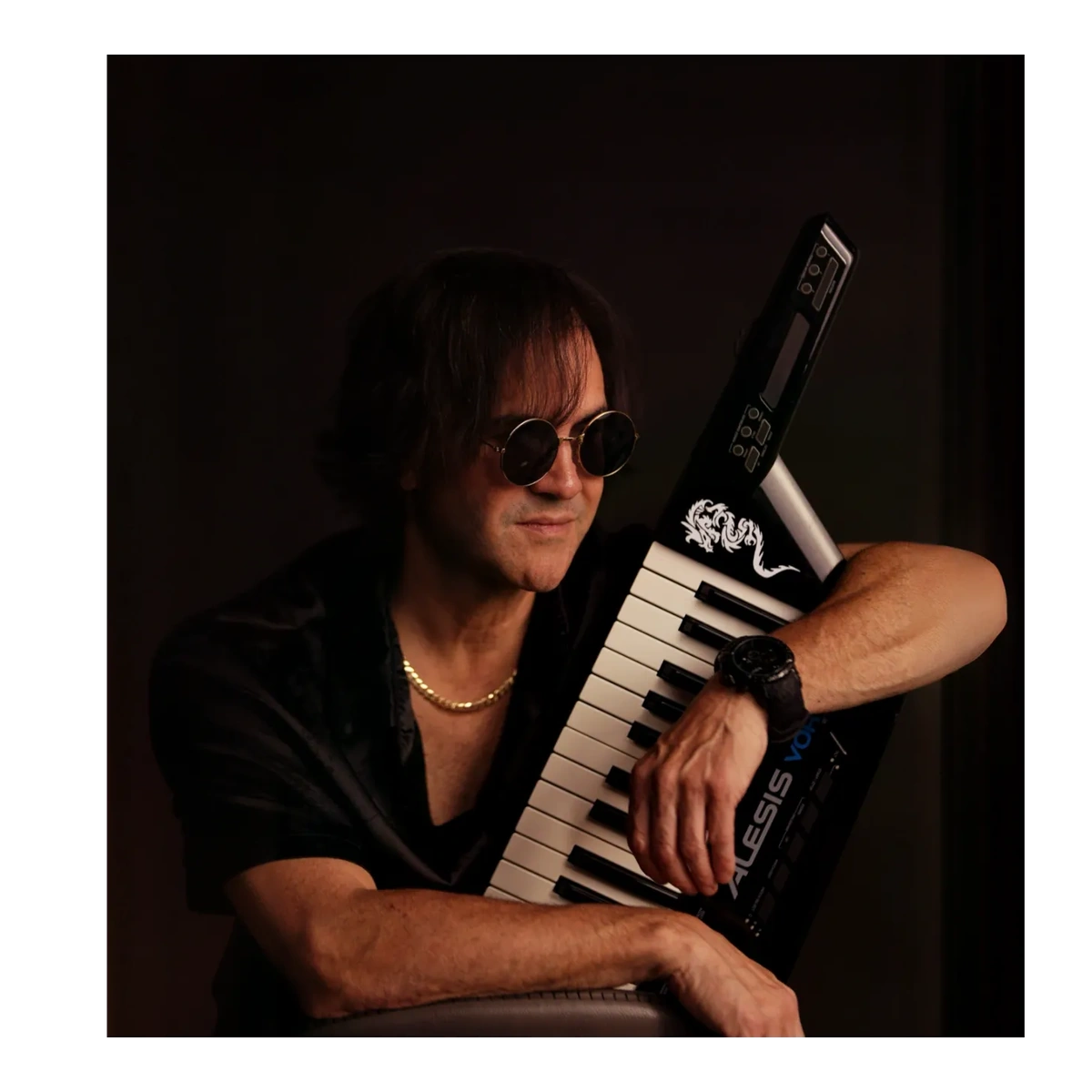
That economy also serves a bigger plan. azee. wrote the peace. instrumental under his full name, Mohamed Aziz Ben Frija, then produced it and played the keyboard parts. Every choice in the build sits with one person working on his own. On his YouTube channel the French producer places his music between lo-fi, ambient and neo-classical, built around mood and melody. He says he writes, produces and shapes every track as a small world of its own.
His releases so far keep to a short form. At two minutes and 26 seconds, peace. is the longest of his three singles. starfall. and in:somnia. each run just over two minutes, and the title of in:somnia. already names the subject of the album to come.
Then while everyone sleeps. takes that subject on at full length. It has eight tracks that move through the stages of a night, drawn from his own experience of insomnia. peace. works as its prelude, the piece that opens the door before the night itself begins.
Where peace. Sits Next to Nils Frahm, Brian Eno and Nujabes
Those choices also place peace. in a clear line of earlier music. Its piano side points to Nils Frahm, whose 2011 album Felt was made with felt laid over the piano hammers. That let him play late at night without waking the neighbours, and it gave the record its muted, close sound. azee. also writes after dark, and peace. keeps its piano delicate in the same spirit.
Brian Eno set out the idea of ambient music in 1978, on Ambient 1: Music for Airports. He described music that can either sit in the background or reward close attention. peace. is written for both kinds of listening. Played low, it keeps a quiet room company, and heard closely, its melody gives a clear moment to wait for.
The lo-fi side has an ancestor in Nujabes, the Japanese producer behind Modal Soul in 2005. His jazz-touched beats there and on the Samurai Champloo soundtrack became a template for lo-fi hip-hop. azee. comes to that tradition from the piano end, with the rhythm kept low so the melody can lead.
From the TopMusic.News curator team: “We use peace. as a reset in a lo-fi set. Its two and a half quiet minutes clear the air between busier beats.”
The best way to hear peace. is the way it was written: from the first note, without skipping ahead. Give the piano its 75 seconds, and the melody lands as the moment of recognition azee. built it to be.
Follow azee. on Spotify, Apple Music, Amazon Music, Tidal, YouTube, Instagram and Linktree. His earlier singles are there, and while everyone sleeps. arrives this winter.










About Author