


How Emerald Park Built Wait From a Quiet Swedish Song About Patience
A Malmö Project Remakes a 2019 Ballad as Bright Indie Pop with Two Fresh Voices
Wait starts from a song that already existed. In 2019, Tobias Borelius released Vi kan vänta, which translates as “we can wait”, on his Swedish-language solo album as Silvermannen. Seven years later, under the Emerald Park name, he rebuilt it in English as bright indie pop, with Carl Granberg singing lead and Mishi Holm, a young artist from Malmö, carrying the choruses.
Emerald Park’s music is in the playlist below, and the project’s coverage is collected on the Emerald Park profile. Wait reached TopMusic.News through PopHits.Co Music Charts, which verifies independent artists and places their releases across its network of music news desks. Play it while you read on about how a quiet Swedish ballad was rebuilt.

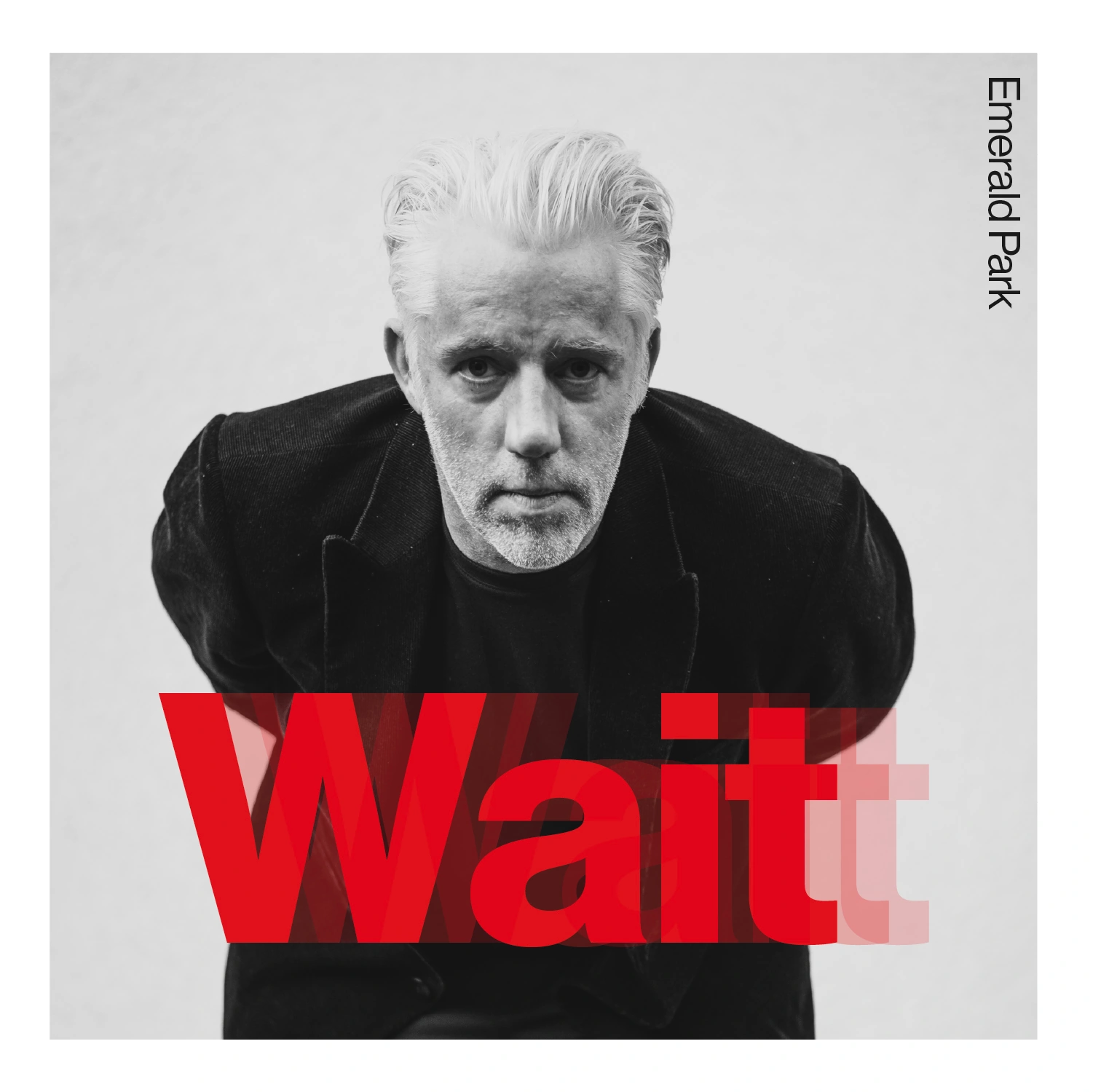
The single came out on 14 August 2026, and the change in the arrangement is the first thing to hear. By the project’s own account, the original was a quiet, melancholic song. The new version, however, is energetic and openly joyful, sitting between soft pop, indie pop and acoustic pop. Even so, it keeps the emotional core of the lyric.
That approach is deliberate. In fact, Wait belongs to a wider plan Borelius began around three years ago: reworking some of his Swedish-language songs for an international audience. The first result was Lovers In Reverse, released in June 2026, which began as Tidigt i Maj on the same album. Wait comes from the same process. It shows how far a melody can travel when its tempo and its voices change.
The title also tells you something about the editing. The Swedish phrase is a sentence, “we can wait”. The English title is a single word. That compression suits a pop chorus. There, one strong word repeated by a second voice can do the work of a whole line.

From a Song About Children With Autism to an Emerald Park Song About Holding On
The lyric has moved as well as the music. On Mitt i Bilden, Vi kan vänta was one of Borelius’s songs about social matters, in its case children with autism. The English version, as Emerald Park describes it, instead deals with mental health and the difficult moments that can come with it. Even so, the central idea, patience, survives the translation intact.
That is the clever part of the rebuild. A song about waiting can easily sound passive. Here, however, the upbeat arrangement turns patience into something active: holding on, trusting that things can get better, and moving forward. The project’s own note puts it simply. Even when life feels dark, there can still be light ahead. The shift from a subdued ballad to a lively pop track is therefore meant to make that point in the music itself.
The two singers help. Granberg’s lead vocal carries the verses, while Holm’s voice arrives in the choruses with extra energy and optimism. Using a second voice for the hook is a smart structural choice. It gives the chorus a lift that the verse cannot, and it makes the message sound shared rather than private.
TopMusic.News’s curator team: “Wait is a useful lesson in arrangement. The melody and the message stay the same. However, a faster pulse and a second voice in the chorus turn a private ballad into a song you can share.”


Old Influences and a Long Catalogue Explain Where Wait Sits in the Emerald Park Story
Reworking your own songs has a long history in pop. Peter Gabriel, one of the artists Borelius names as a major influence, re-recorded his catalogue with an orchestra on New Blood in 2011. Familiar melodies found new moods there. David Bowie, another influence, revisited his earliest songs in the sessions that later became Toy. Wait works in the same spirit at a smaller scale: one song, re-dressed until it says the same thing in a different light.
Granberg is no stranger to these songs. For example, the two wrote Night Away together in 2023. Granberg also recorded and mixed earlier Emerald Park material such as Wolf in 2015. On top of that, Granberg co-produced the whole Silvermannen album that Vi kan vänta came from. Hearing Granberg step forward as the lead singer is therefore a small surprise, and a fitting one.
Emerald Park itself has a long run behind it. The name goes back to the album For Tomorrow in 2008. EPs, the Go!Go!Go! mini-album in 2015 and a steady stream of singles followed. In 2026 alone, A Song To C and Dead Ends, both with Danish Daycare, came before Lovers In Reverse. Illustrate Magazine described that single as gracefully drifting, with an immersive atmosphere. Wait follows on from that run but shows a softer, more open side of the project.
Where to Hear Wait and Follow Emerald Park From Malmö
For listeners who enjoy indie pop with a clear melody and a hopeful message, Wait is an easy song to recommend. Fans of melodic Britpop and alternative pop will also hear familiar shapes in the chorus. Meanwhile, anyone who likes to know how a song was made will enjoy comparing it with the Swedish original.
Stream Wait on Apple Music or buy it on Bandcamp.
Follow Emerald Park across platforms: Spotify, Apple Music, YouTube channel, Facebook and X.














About Author