
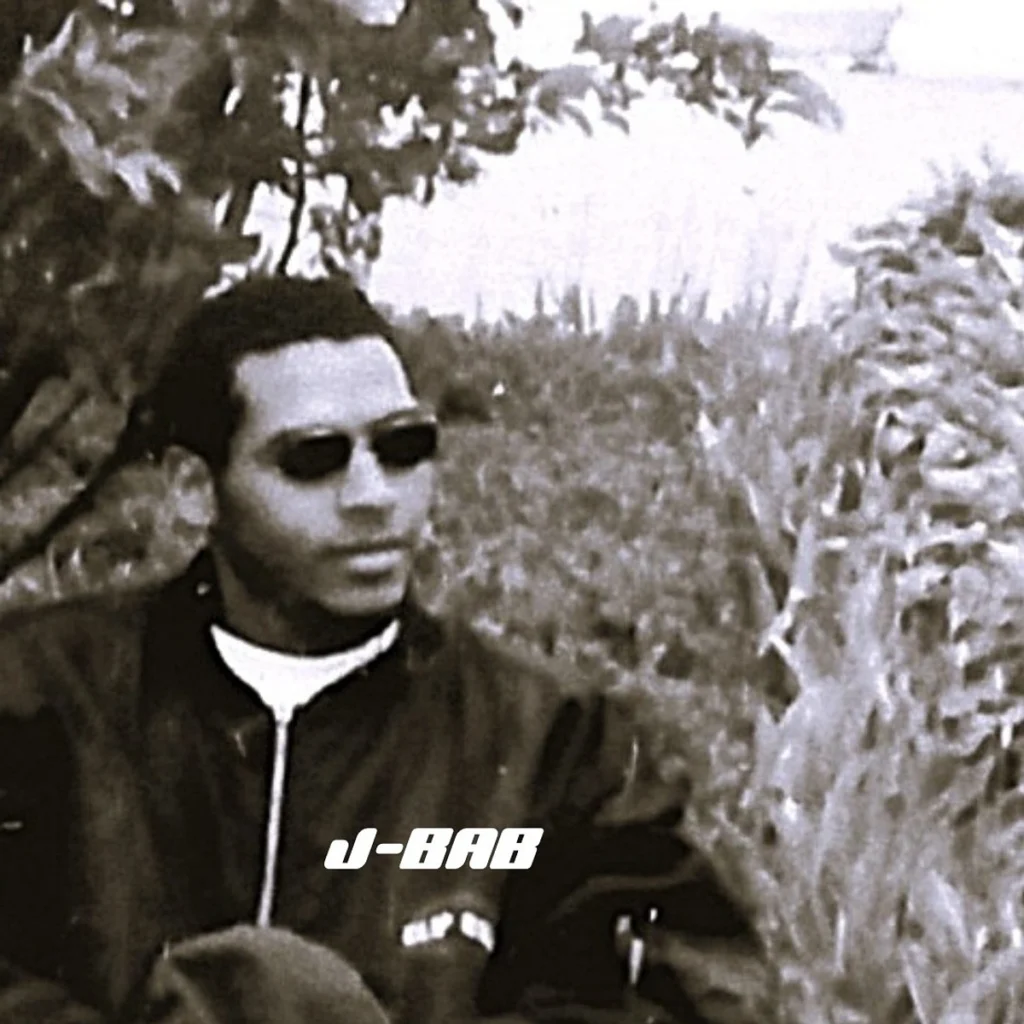
J-BAB Eburny Instrumental Turns an Ivorian Homecoming Into Afrobeats Groove
Free Jazz, Burning Soul and West African Harmony Meet at Ninety Beats per Minute
There are no vocals on the J-BAB Eburny instrumental, and that is the point. He put the track out on 6 August 2026. It runs at 90 BPM, with free jazz phrasing and West African harmony over an Afrobeats pulse. The arrangement says what a lyric would normally announce.
J-BAB is threaded into the playlist below, and his artist profile gathers the coverage this network has run. Eburny landed on this desk via PopHits.Co Music Charts, an operation that verifies independent artists and places their releases across its network of music news titles. Hit play on the instrumental and read on.


The J-BAB Eburny Instrumental Runs On A Patient Ninety BPM Afrobeats Pulse
Ninety beats per minute is a deliberate setting. It sits below the tempo where Afrobeats becomes pure floor music. It also sits above the point where a groove starts to drag. That middle register matters here, because the arrangement rather than a vocal has to hold a listener. J-BAB works there on purpose.
The free jazz side shows up in the harmony instead of the tempo. He has named jazz as his first musical love, specifically the freedom of improvisation. An instrumental built on that premise has to earn its length through harmonic interest rather than through a hook. Soul keeps the result warm instead of academic. Meanwhile the West African harmonies tie Eburny to Abidjan, not to a generic urban template.
Hip hop and R&B are in the mix too. J-BAB grew up on the R&B and hip hop that reached Ivorian streets in his adolescence. Those years sit inside the record as inheritance rather than as pastiche.

Why An Ivorian Homecoming Reads As A Pan-African Call To Accountability
Conscious Afrobeats with no words at all is a harder trick than it sounds. The subject of Eburny is a homeland that has absorbed a great deal of harm. It still sustains the people who live in it. So J-BAB lets the track operate as three things at once. It is a personal homecoming, a political statement, and a pan-African call to accountability.
There is no lyric to carry that thesis. The weight falls instead on the arrangement, and on what the title points at. Eburny reads as a homecoming rather than as a protest chant. Nothing is resolved. The affection is not withdrawn either.
J-BAB said of the release: “I aimed to create a track that grooves deeply while inviting listeners to explore a fresh, conscious perspective. It’s an invitation to travel, to feel, and to reflect on our shared heritage.”
TopMusic.News curator team: “What earned Eburny a slot in our rotation is that it works twice. It holds up as a straight listen. It also works under anything that needs rhythm and a point of view at once. Instrumentals that carry an argument are rare, and they are more useful to a curator than another vocal single.”


A Music Architect From Abidjan Who Trades Hooks For Structure
J-BAB works under a self applied label, the “sonic cartographer”, and it earns its keep. Born and raised in Côte d’Ivoire, he treats a release as a map rather than as a showcase. He has also said he cares about coherence, balance and depth more than about performance.
His stated influences start with the jazz that played on Abidjan city radio. American soul, R&B and hip hop followed. There are detours too, into Asian music for its discipline and into easy listening for its buried sophistication.
That method is easy to trace across his 2026 output. Uncle Georges (Instrumental) arrived on 13 July 2026 and was covered by GetMusic.News. It blended free jazz, soul and African harmony over the same wordless approach. Eburny followed four weeks later, pointed at a bigger subject. Two instrumentals in a month reads as a working practice rather than an experiment. That is the pattern of a music architect who also mentors emerging players privately.
The mystery around him is part of the draw. He seems content to leave it there. Listeners speculate. He keeps releasing.
Listeners Who Keep Fela Kuti And Late Night Jazz In The Same Rotation
Eburny is aimed at people who already move between African rhythm records and instrumental jazz. Three reference points make the address clear.
Fela Kuti is the obvious lineage. He built Afrobeat around long instrumental stretches, where horn arrangements rather than a chorus carried the political charge. Eburny applies that principle at a fraction of the running time. Tony Allen is the closer rhythmic match. He designed the Afrobeat drum pattern alongside Fela. Later he placed it inside jazz and electronic records for decades. His groove was always felt more than counted. Angélique Kidjo covers the harmonic side, because her Beninese writing has always crossed into jazz and soul arrangements.
If those three sit in your library, Eburny will make sense on the first pass. For anyone building playlists around genre crossing sounds, it does more work than a track with a hook.
Where To Stream The J-BAB Eburny Instrumental And Follow The Artist
Eburny has been on the major services since 6 August 2026. Beyond the player above, you can stream it on Apple Music, Tidal and Deezer. It is also on Amazon Music, Audiomack, Bandcamp and YouTube Music.
For new work and studio material, follow J-BAB on Instagram, Facebook and his YouTube channel.














About Author