
How Gengvej Built Wie Tanzt Man Eigentlich Zu Jazz?
Commercial Pop Hooks Meet Jazz Rhythms and Psytrance Energy on A Hannover EP
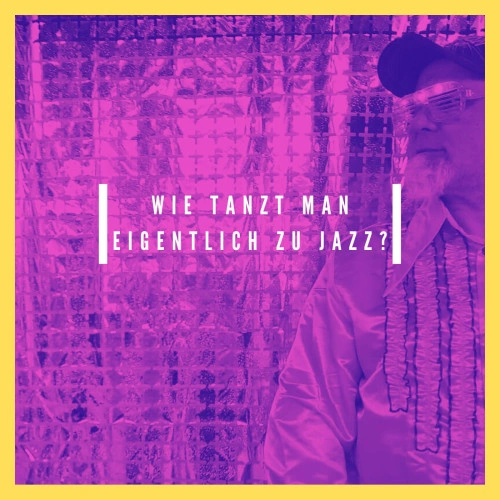
The build starts from the rhythm section and works outward. Jazz timekeeping underneath, a pop hook on top, and a trance arpeggio threading between the two. That is the working method behind Wie tanzt man eigentlich zu Jazz?, the EP Gengvej released on 26 February 2025 from Hannover. The title asks a question the arrangement then spends its running time answering.
Gengvej is included in the playlist below, and everything published on the project is set out on their artist profile. Wie tanzt man eigentlich zu Jazz? was brought to this title by PopHits.Co Music Charts, a certification scheme that verifies independent artists and places their releases across its network of music news desks. Start it playing before the piece continues.

How Gengvej Built The Layers On Wie Tanzt Man Eigentlich Zu Jazz
Most genre fusions fail at the seam. Jazz phrasing pulls against a grid, and trance is built on one. Putting them in the same bar usually means one of them loses. On Gengvej’s Wie tanzt man eigentlich zu Jazz?, the interesting decision is that neither side gives way. Instead, the jazz material keeps its swing and its harmonic movement, while the electronic layer keeps a steady pulse underneath.
That works because the two sit apart in the mix rather than blending into each other. The jazz parts occupy the mid range, where a listener hears the chord voicings and the ride cymbal. Meanwhile, the trance material sits below and above them, in the sub and in the high arpeggios. As a result, it drives the track without arguing with the harmony. It is an arrangement solution rather than a production trick, which is why the record does not read as a novelty.

Where Gengvej Puts The Pop Hook On Wie Tanzt Man Eigentlich Zu Jazz
The pop element is the third piece, and it carries real weight. Commercial Pop supplies the repeated figure a listener can hold on to across a long build. Without it, the EP would be a jazz record with a dance floor problem. Alternatively, it would be a trance record with confusing chords. With it, there is something to return to each time the arrangement opens back up.
The question in the title of Gengvej’s Wie tanzt man eigentlich zu Jazz? is not rhetorical either. Jazz has never been easy to dance to in a four-on-the-floor sense, because the pulse moves and the phrase lengths are uneven. Gengvej’s answer is to keep the pulse fixed and let the jazz move on top of it. That is a real solution to a real problem, and it explains why the EP has kept turning up in coverage well past its release window.
The texture across the EP follows from the same decision. Where a straight trance record would fill the middle of the mix with pads, this one leaves that space to the jazz instruments. Consequently, the arrangement stays legible even at higher tempos. It is a quieter record than its genre tags suggest, not in volume but in density.

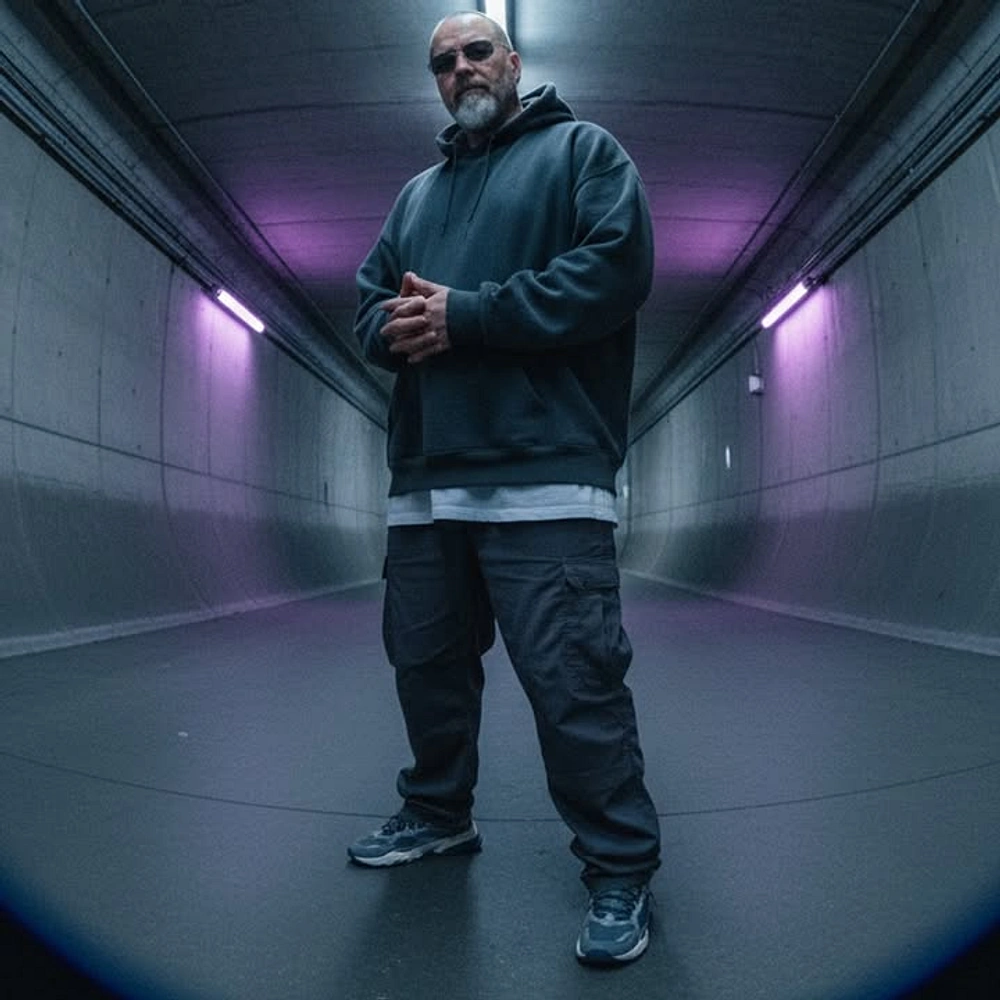
The Running Order And What The Coverage Heard
The running order matters too. An EP built on a single production idea risks becoming an argument stated four times. This one avoids that by shifting which layer leads. Some passages put the electronic pulse in front and let the jazz comment around the edges. Others reverse it, dropping the arpeggio back until the harmony carries the section alone. That alternation is what turns a technique into a record.
The reception of Gengvej’s Wie tanzt man eigentlich zu Jazz? has clustered around the same observation. Haymai wrote it up as a bold fusion of jazz and psytrance, and Musikepool reached for almost identical language independently. Parkett Channel and Jazziz Discovery both covered the EP on its own terms rather than as a curiosity, which matters for a record this easy to misfile.
Besides those, Punk Head went wider and ran an artist spotlight on the project, while FVMusicBlog placed it among its picks of the week. That spread across German, English and Italian language outlets says something about how the music travels. A record built on rhythm and arrangement rather than lyrics crosses language borders with less friction.
TopMusic.News curator team: “The reason this EP earns a listen is the discipline in the layering. The jazz voicings are never flattened to fit the grid. Equally, the trance pulse is never softened to accommodate them.”
Where To Hear Gengvej Wie Tanzt Man And Follow The Project
The catalogue supports that reading. Gengvej is the project of Hannover producer Markus Geng, and it has been releasing steadily. The genre labels attached to it, Commercial Pop, Jazz, Pop and Psytrance, are not a spread of styles tried in isolation. Rather, they are the components being combined on this EP, which is why the catalogue rewards listening in sequence instead of by single.
That also explains the unusually wide release footprint. The EP reached listeners across Germany, the Americas and much of Asia, and coverage followed in several languages. For an independent project without a label behind it, that reach comes from the music being legible to listeners who do not share a first language.
Listeners can hear the full EP on Spotify, or follow the project on Deezer and Apple Music.
Finally, Gengvej posts on Instagram, TikTok, Facebook, X and LinkedIn, with more on the YouTube channel and the official website.









About Author