


How Dimitri Tenot Built Energy, a Hi-NRG Single That Switches Tempo for Its Outro
An Italian Producer Sings His Own Club Track and Rebuilds the Drums for the Finish
Dimitri Tenot built Energy in two parts. For most of its three minutes and ten seconds, high-energy club beats and gritty synth patches drive it. His own voice holds the centre of the mix. Then, in the outro, the tempo changes and a new drum section takes over.
Dimitri Tenot’s Energy, now listed on his artist profile, sits in the playlist below, with the EDM, dance, house and techno we keep in rotation. The single reached TopMusic.News through PopHits.Co Music Charts, which verifies independent artists and places their releases across its network of music news titles. Press play, then keep reading for how a hi-NRG single changes its drums before the end.

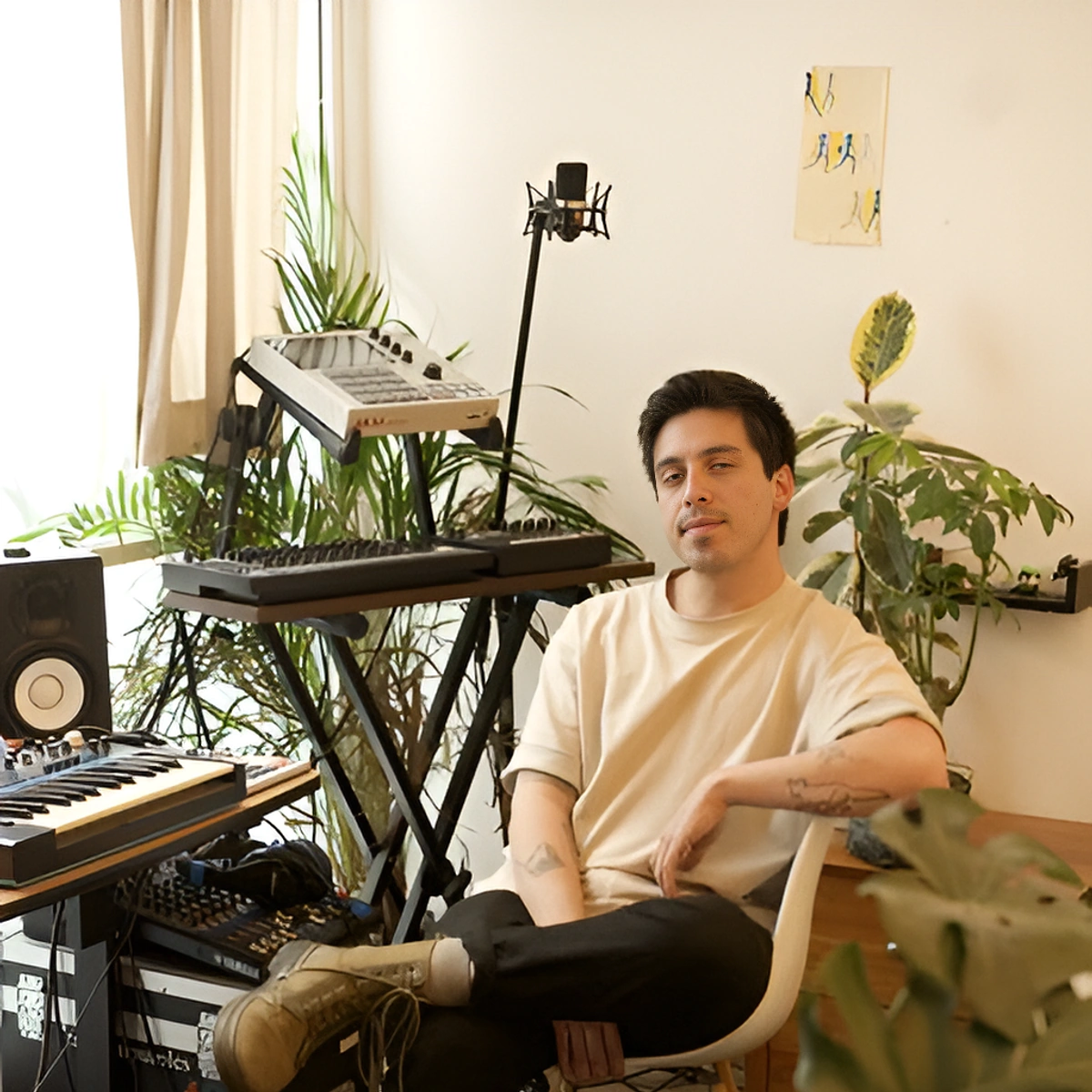
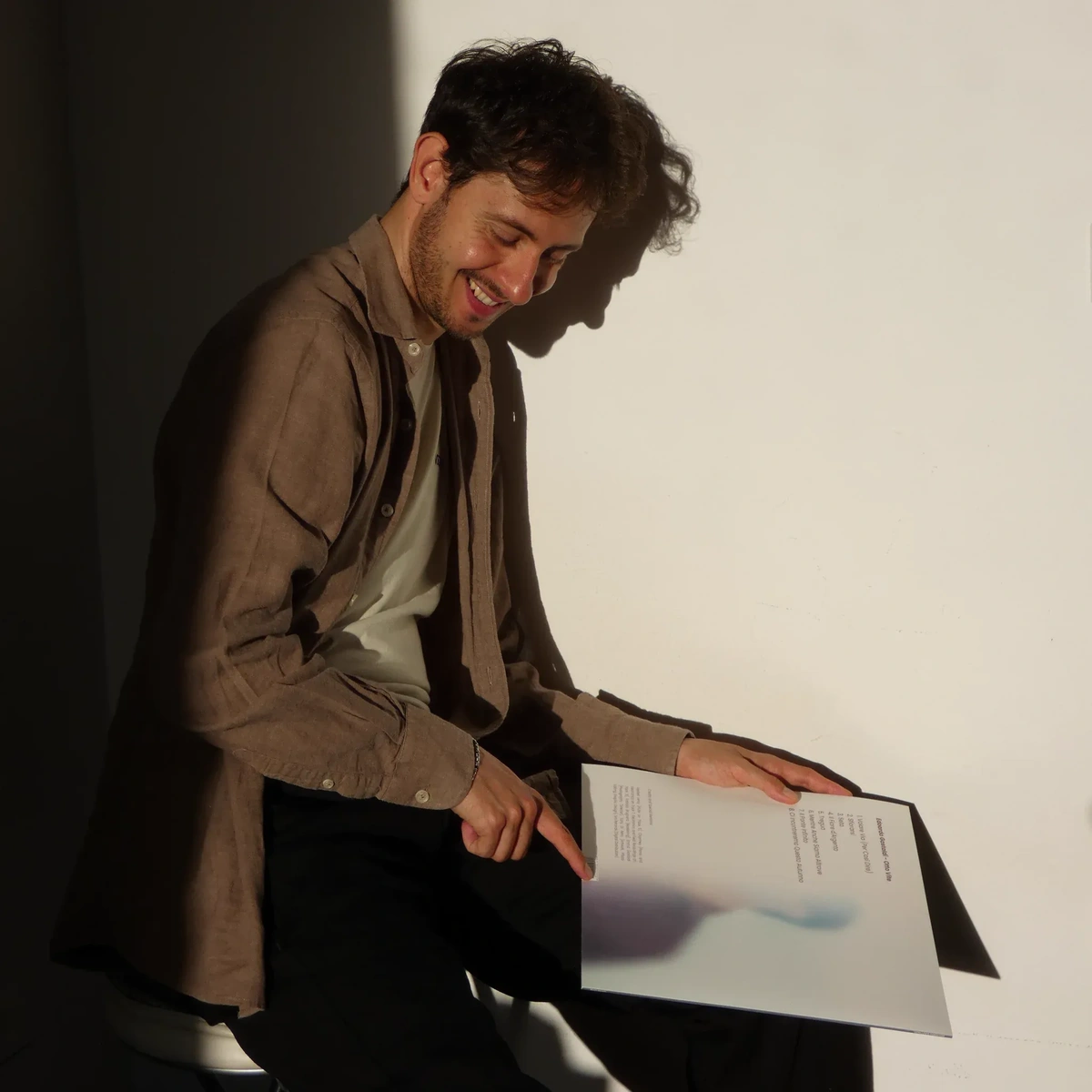
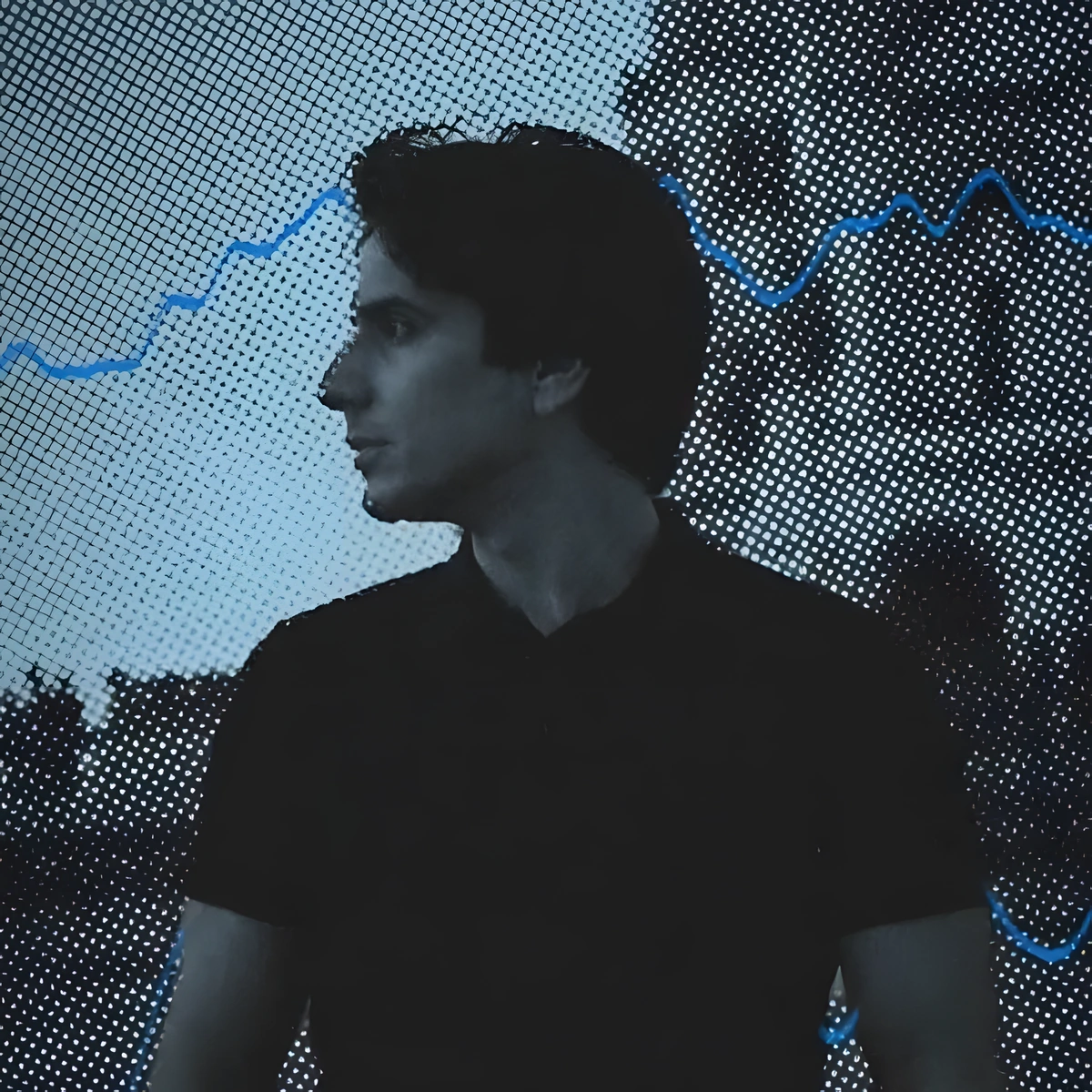
So who is he? Tenot wrote, composed, produced and sang the single himself. Based in Milan, Italy, he works as a producer, DJ and sound designer. Energy came out on 25 September 2026 through Fluido Studio, the first single from his upcoming EP, Energy Files. He calls it modern hi-NRG blended with electro and art-pop. How those parts fit together is the reason to listen closely.

The Hook in Energy Is a Hi-NRG Pulse That Dimitri Tenot Brings Back From the Club
Start with the drive, then, because that part of Energy comes from the club. Tenot’s own tagline, digital chaos and bionic beats, sums up this half of the mix, and the title points to its roots.
The title and the genre share a word. Hi-NRG is pronounced high energy, a description club music began to use in the late 1970s for fast, electronic disco. By the 1980s the style had its own spelling, and its records usually ran between 120 and 140 beats per minute. Energy carries that history in its name as well as in its beat.
The engine also comes from the DJ booth. As a DJ, Tenot plays techno, house, electro, acid and electronic pop, and he has played Metropolis Club and Balagan Lisboa. He has also recorded a set for Tempio Radio. That background shows in how firmly the beat drives the track.
Energy also grows out of his catalogue. Techno Pop (2024) already looked back to hi-NRG and 1980s new wave. Then came Energy Loops, a 2025 techno track sung by Indira that premiered at Tropikali Festival. The new single keeps the word and moves it toward pop, which is where the voice comes in.
Why the Voice on Energy Is Mixed Like an Instrument
Then there is the voice, the part of Energy that marks a change. Alongside his own releases, Tenot has built a career in sound for other people’s images. He has shaped sound for Diesel and Dolce & Gabbana, including a Diesel project featuring Damiano David of Måneskin, and for a Bulgari installation in Taormina. He is also a graduate of ICMP, the Institute of Contemporary Music Performance.
His current work is more personal, an electronic art-pop direction that brings his own vocals into the production. On Energy the voice leads, yet it is mixed like an instrument, so the pop sits inside the electro rather than in front of it.
William Orbit is one of the producers Tenot names as an influence, and Ray of Light shows why. Making the 1998 album with Madonna, Orbit preferred samples and synthesizer sounds to live musicians and played nearly all of the instrumentation himself. The sessions ran four and a half months, the longest of her career to that point. The album won four Grammy Awards, Best Pop Album among them, and critics have since recognised it for popularising electronica in pop. Tenot remixed its title track in 2025 for a Beatport contest. Energy follows the same idea at single length, with a pop vocal carried by an electronic arrangement.


A Tempo Change and a New Drum Section Rebuild the End of Dimitri Tenot’s Energy
Still, the Italian producer saves the biggest decision for the end. The outro’s new drum section, at its new tempo, was built with Ugo Fusco, the single’s co-producer, at L’Officina in Alessandria. Its inspiration is Closer by Nine Inch Nails.
That is a well-chosen model for a producer. Closer came out in May 1994 as the second single from The Downward Spiral. Nine Inch Nails built its drum track around a heavily modified kick-drum sample taken from a 1977 recording, then layered it with beats from a Roland R-70 drum machine. Energy takes that principle and saves it for the final stretch, so the track changes character just before it ends.
Simone Tornaquindici mixed and mastered the single, and Simone Rovellini filmed the visualizer, which went up on YouTube on 26 September 2026.
From the TopMusic.News curator team: “Energy works in a DJ set, but its best moment is written for the listener who stays to the end. The drum change in the outro gives a club track a second act, and few club singles risk one.”
This is for listeners who like electro-pop with a club engine under it, for DJs who play hi-NRG and electro, and for anyone curious how a sound designer writes for his own voice. Play it through to the end, at a volume that lets the drums land.
The single takes its name from a genre built on momentum, then changes that momentum on purpose. As the first look at Energy Files, it introduces a producer who sings his own songs and still thinks like an engineer.
Stream Energy, then follow Dimitri Tenot on Spotify, Apple Music, SoundCloud, Beatport, YouTube and Instagram.








About Author